
What a $300K to $700K Budget Buys in Miami vs Fort Lauderdale vs Pompano Beach
What a Midrange Budget Really Looks Like Across South Florida
House hunters comparing Miami, Fort Lauderdale, and Pompano Beach often discover that the same budget can unlock three very different lifestyles. In the $300,000 to $700,000 range, the conversation is not just about square footage or bedroom count; it is about commute patterns, access to the water, building age, neighborhood feel, and long-term upside. For buyers working with CENTURY 21 Integra, this price band is especially active because it attracts first-time buyers, relocating professionals, seasonal residents, and investors all at once.
At the lower end of the range, around $300,000 to $400,000, buyers are typically choosing between a condo lifestyle, a smaller single-family home farther inland, or a property that needs cosmetic updating. In Miami, that budget can mean a modest condo in an established neighborhood, sometimes with amenities like a pool, gated entry, or reserved parking, but often with higher association fees and less interior space than buyers initially expect. The tradeoff is location: easier access to major employment centers, cultural energy, international dining, and the everyday convenience that keeps Miami in constant demand.
Move that same budget north to Fort Lauderdale, and the picture often opens up. Buyers may find older but well-kept condos near the beach corridor or more spacious options west of the Intracoastal and inland neighborhoods with practical commuter access. Fort Lauderdale tends to appeal to those who want a balance between urban convenience and a slightly more relaxed rhythm. It still offers nightlife, marina culture, and strong dining scenes, but many buyers feel they can stretch their dollar a bit further here than in central Miami.
Pompano Beach is where many shoppers in this range begin to feel real momentum. Around $300,000 to $450,000, there can be opportunities for condos close to the coast, townhomes, or smaller detached homes in neighborhoods seeing ongoing improvement and redevelopment. The city has steadily attracted attention from buyers who want beach access without paying a premium associated with more established luxury enclaves. That makes it particularly interesting for value-focused purchasers and investors looking at future appreciation potential.
How the $500K to $700K Range Changes the Conversation
Once buyers step into the $500,000 to $700,000 bracket, the options become more nuanced. In Miami, this budget can secure a more stylish condo in a desirable district, a townhouse in a centrally located community, or a single-family home in select neighborhoods where inventory moves quickly. What buyers gain in Miami at this level is often proximity to major lifestyle drivers: employment hubs, vibrant public spaces, arts venues, and a steady stream of redevelopment that supports property values. What they may still sacrifice is lot size, privacy, or turnkey finishes compared with Broward County alternatives.
Fort Lauderdale becomes especially competitive in this middle-upper range because it offers broader variety. Buyers may find updated homes with yards, renovated townhomes, or condos with strong amenity packages and easier access to beaches, boating, and the city’s canal network. For many households, this price point brings the possibility of a true lifestyle property rather than simply an entry point into the market. It is one reason Fort Lauderdale continues to attract buyers who want coastal energy without the same pricing pressure found in many Miami neighborhoods.
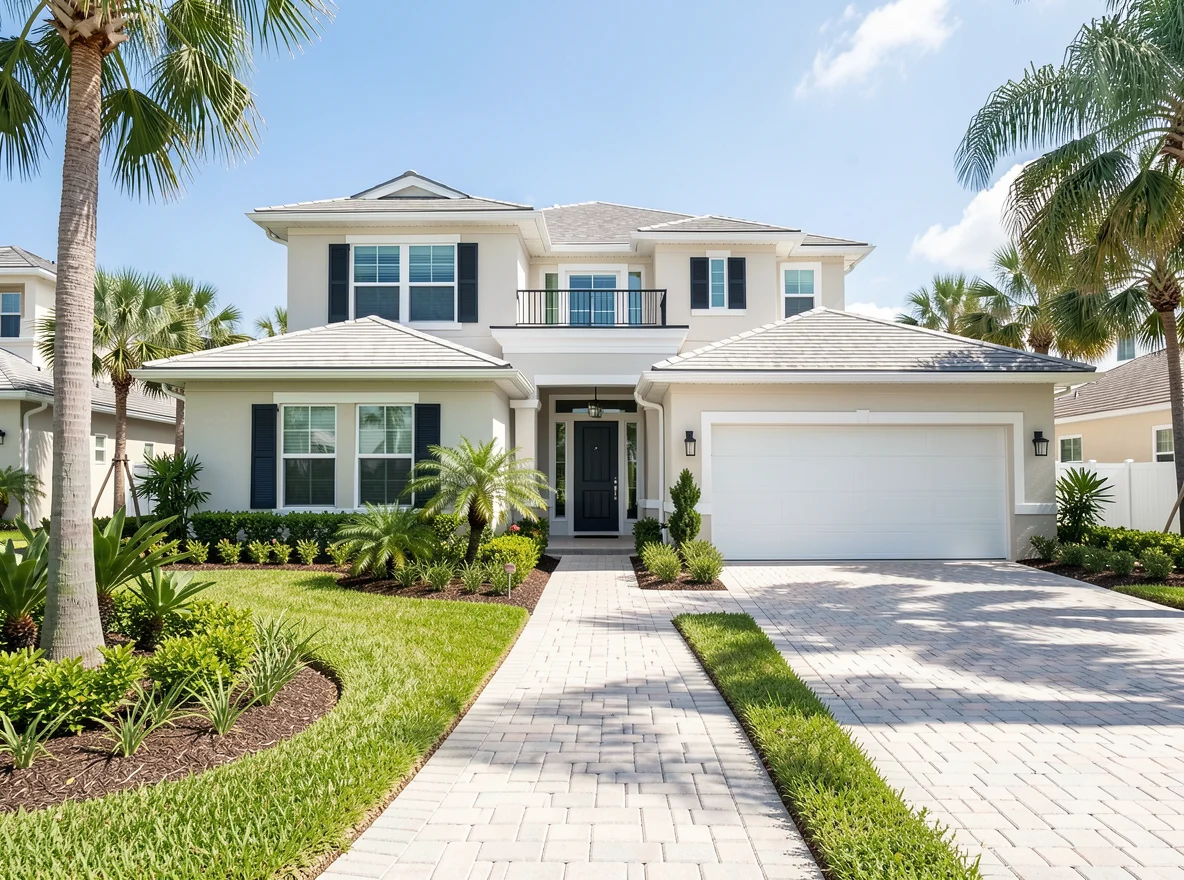
In Pompano Beach, $500,000 to $700,000 can feel surprisingly powerful. Buyers may access larger homes, updated interiors, properties with pools, or residences in areas that place them relatively close to the shoreline and local recreation. This is the tier where many shoppers start to see a clear value argument: more land, more livability, and in some cases a more manageable cost of ownership than they would encounter farther south. For owner-occupants, that may mean room to grow. For investors, it may mean stronger rental appeal in a market that continues to evolve.
Of course, “best value” depends on goals. A buyer who wants a walkable, high-energy setting and sees real estate as both lifestyle and status may still lean Miami. Someone prioritizing boating access, a polished coastal environment, and a broad mix of housing stock may favor Fort Lauderdale. Another buyer focused on upside, beach proximity, and practical pricing may find Pompano Beach especially compelling. This is where local guidance matters, because two properties at the same price can perform very differently depending on building reserves, flood considerations, rental restrictions, and neighborhood trajectory.
Lifestyle, Schools, and Day-to-Day Living Matter Too
Budget comparisons are most helpful when they go beyond listing photos. Buyers also need to think about schools, commuting patterns, and everyday convenience. Miami offers unmatched cultural diversity and international connectivity, with strong appeal for professionals, entrepreneurs, and buyers who want a truly global city experience. Depending on the area, access to highly regarded public, charter, and private school options can be a major draw, though traffic and density should always factor into the decision.
Fort Lauderdale often wins points for livability. Many residents appreciate its blend of coastal leisure and practical infrastructure, along with parks, golf, boating, and a strong network of neighborhoods that each feel distinct. Dining and entertainment are abundant, yet the city can feel a touch more navigable than Miami. Buyers with families frequently look closely at nearby school options, community amenities, and the ease of balancing work with recreation.
Pompano Beach has become more than a “watch this market” story. It is already delivering a coastal lifestyle with fishing, boating, waterfront dining, beach access, and neighborhood reinvestment that continues to improve its profile. Buyers who once overlooked it are now giving it serious consideration, especially when they see how much farther their money may go. That can be a meaningful advantage for multilingual households, multigenerational buyers, and clients who want flexibility in how they use their property over time.
Another key point: inventory in South Florida shifts fast. A well-priced condo in Miami may receive immediate attention, while a renovated home in Fort Lauderdale or Pompano Beach can move just as quickly if it checks the right boxes. Buyers should also plan for insurance costs, HOA fees, reserves, and maintenance realities, especially in coastal and amenity-rich communities. These details can affect affordability just as much as the purchase price itself.
Choosing the Right City for Your Priorities
The smartest way to view a $300,000 to $700,000 budget is not to ask which city is cheapest, but which city aligns best with your goals. Miami tends to reward buyers who value centrality, energy, and prestige. Fort Lauderdale often shines for balance, lifestyle, and housing variety. Pompano Beach stands out for buyers seeking room, potential, and a strong coastal value story. With Cheryl Abreu and CENTURY 21 Integra, clients can compare these markets clearly, in English or Spanish, and focus on what truly matters: the right property, in the right community, at the right moment in South Florida’s ever-changing market.